


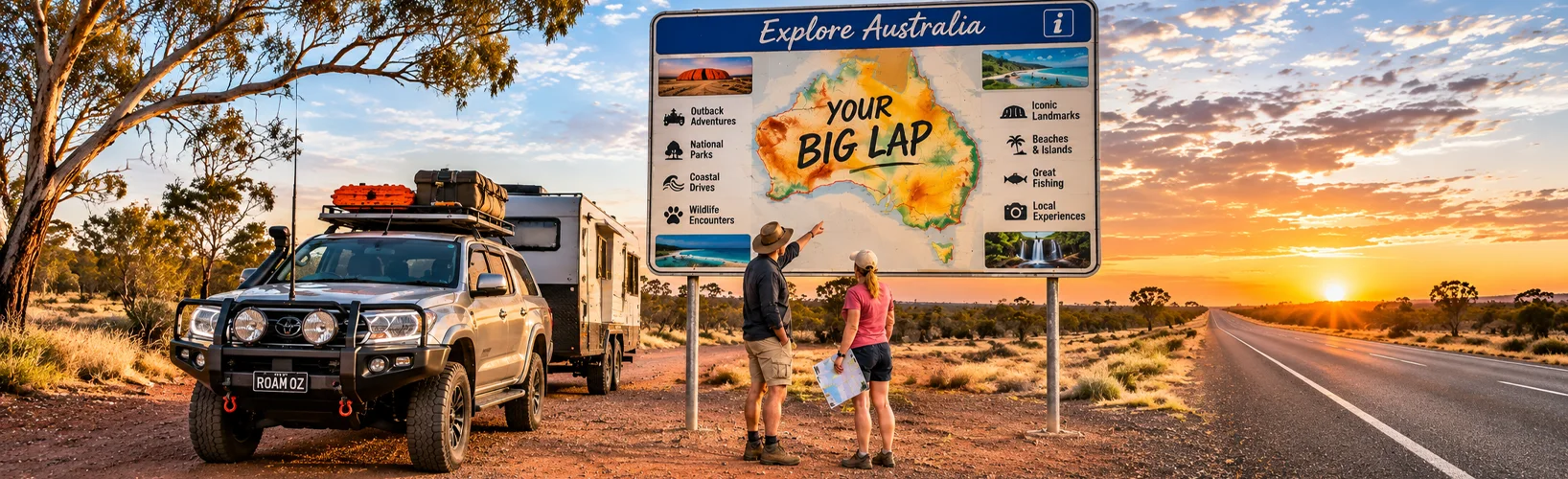
You've decided to do the Big Lap of Australia. How exciting! But before you hitch up the caravan, pack the motorhome or load up the 4WD, there are a few important decisions to make. Where will you go? When should you leave? How long will you need? And how do you make sure your adventure suits your lifestyle, travelling companions and budget?
Australia is an incredible country to explore, with everything from tropical rainforests and spectacular coastlines to rugged mountains, magnificent deserts and vast stretches of remote outback.
But Australia is also enormous! And planning an extended road trip around such a diverse country involves a little more than drawing a circle on a map.
The good news? Planning your Big Lap can be almost as exciting as the adventure itself. It's your opportunity to imagine the places you'll visit, the experiences you'll enjoy and the memories you'll make along the way.
So, where do you start?
Where are you leaving from, and which way will you go?
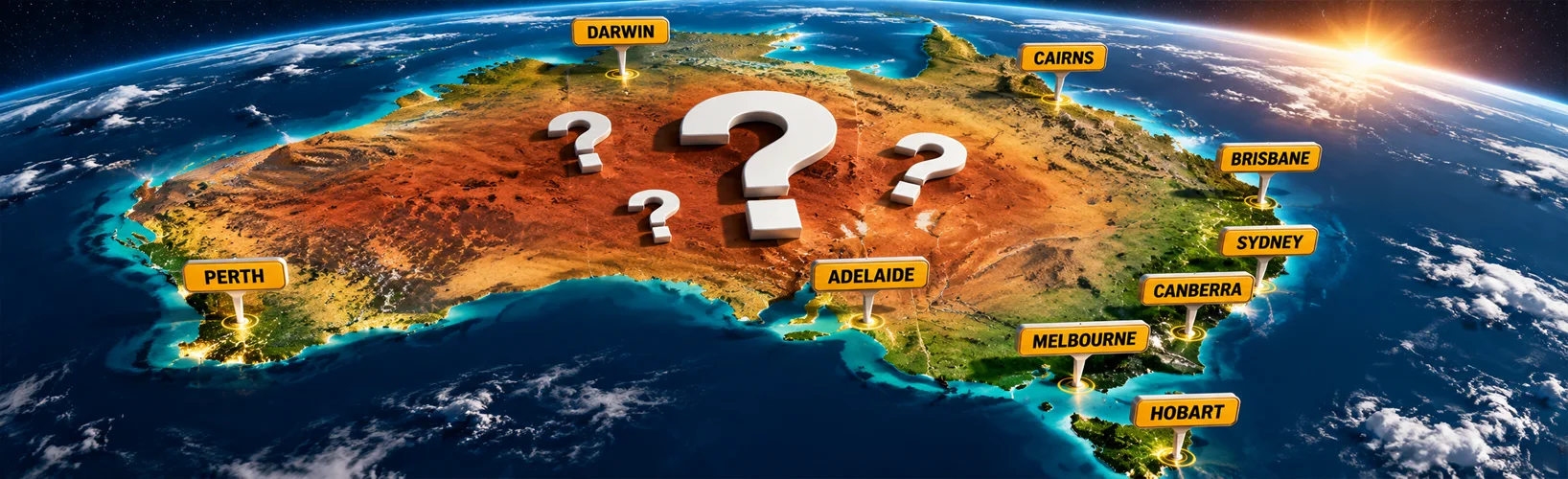
One of the first decisions is where your adventure begins and whether you'll travel clockwise or anticlockwise around Australia.
Are you starting from Sydney, Melbourne, Brisbane, Perth, Adelaide or somewhere else entirely?
Your departure location, together with the time of year you're leaving, can influence which direction makes the most sense.
For example, if you're leaving from southern Australia in autumn, heading towards northern Australia as the dry season approaches might suit your plans. On the other hand, if you're starting from Queensland during spring, travelling south to enjoy the warmer months along Australia's southern coastline could be a better option.
There's no single right direction, and you certainly don't need to follow the coastline the entire way. Some of Australia's most memorable destinations are well inland!
Perhaps you'd love to experience Uluru, explore the Flinders Ranges, visit the magnificent gorges of Karijini National Park or take a detour through the Red Centre.
The secret is to plan your direction around the places you most want to experience, the seasons and the time you have available.
Timing is everything — follow the seasons!
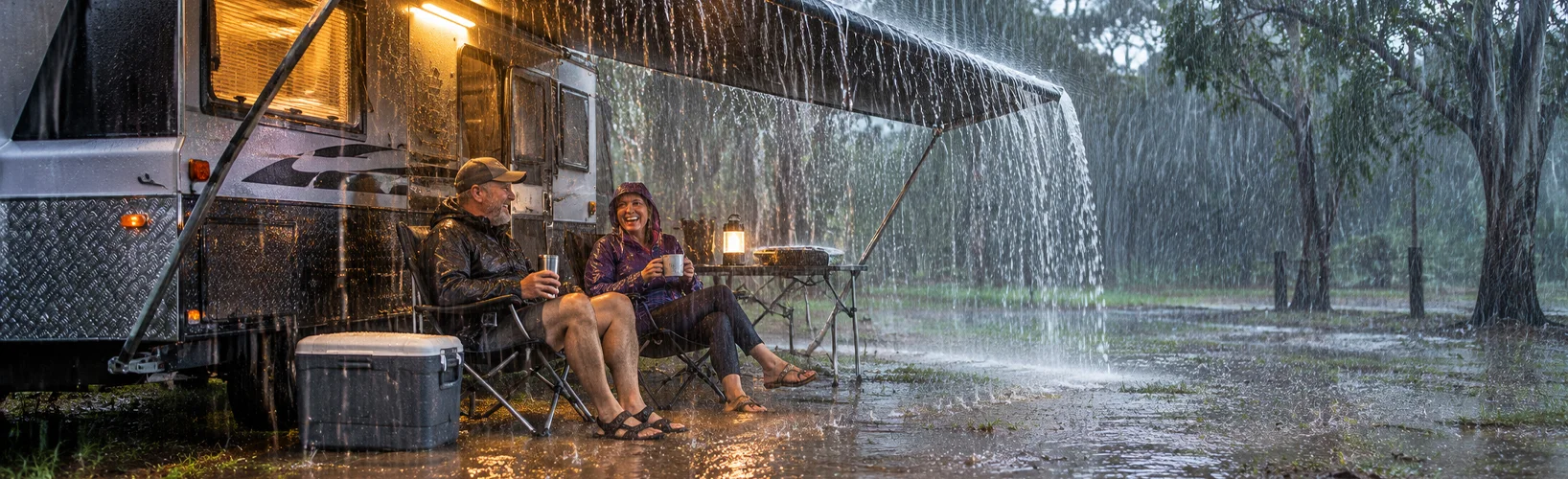
Planning to visit parts of Australia in the correct season can make all the difference to an enjoyable trip
Australia's climate varies enormously, and understanding the seasons is one of the most important parts of planning a successful Big Lap.
While there's no perfect time to visit every destination, some regions are much more enjoyable, and sometimes more accessible, at particular times of the year.
Northern Australia — generally May to October
The tropical north, including the Kimberley, the Top End and Far North Queensland, is particularly popular during the cooler, drier months.
The wet season can bring heavy rainfall, high humidity, flooding and road closures. Some attractions and remote tracks may be inaccessible for extended periods, even after the rain has stopped.
Central Australia — generally autumn and spring
The Red Centre, including Alice Springs, Uluru and Kings Canyon, is often more comfortable during the milder months.
Summer temperatures can be extreme, while winter can bring surprisingly cold nights. If you're camping, those overnight temperatures are certainly worth considering!
Southern Australia and Tasmania — generally spring through autumn
The southern coastline, Victoria, South Australia and Tasmania offer wonderful touring opportunities during the warmer months.
Summer is particularly popular for Tasmania, although coastal regions can be busy during school holidays. Inland areas of southern Australia can experience extreme summer heat, and bushfire conditions also need to be considered.
These are general seasonal guidelines rather than guarantees. Weather patterns vary, and the best time to visit a particular destination can depend on what you want to see and do.
It's worth researching your must-see destinations and building your route around the most suitable times to experience them.
After all, there's little point arriving somewhere you've dreamed of visiting for years only to discover the road is closed for the season!
How long have you got?

Are you planning six months, twelve months, eighteen months or perhaps a couple of years on the road?
Your available time will influence almost every aspect of your adventure.
A shorter Big Lap might mean covering longer distances, staying fewer nights in each location and being selective about side trips.
With more time available, you can travel at a gentler pace, explore smaller towns, discover unexpected attractions and enjoy those wonderful places where you decide to stay an extra few days simply because you can.
One of the easiest mistakes to make is underestimating the time needed to travel between destinations.
A 300-kilometre journey might look straightforward on a map, but when you're towing a caravan, navigating winding roads, stopping for photographs or allowing time for lunch, the day can disappear surprisingly quickly.
And you won't necessarily want to drive every day!
Allow time for relaxing, laundry, shopping, vehicle maintenance and simply enjoying where you are.
Remember, the Big Lap isn't a race to get around Australia. It's an opportunity to experience it.
What are you travelling in?
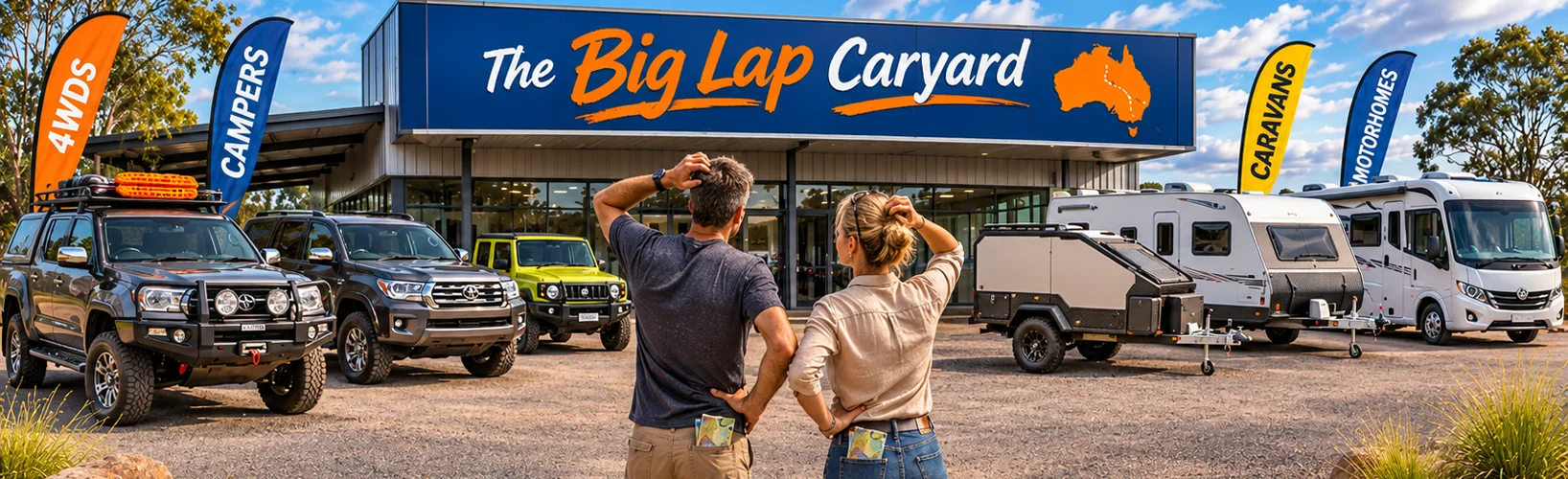
Your choice of vehicle and accommodation setup can have a significant influence on where you can go, where you can stay and how much your journey will cost.
Will you be travelling in a motorhome or campervan? Towing a caravan or camper trailer? Exploring in a 4WD with a rooftop tent, swag or camping setup?
Each option has advantages and limitations.
A large caravan might provide plenty of comfort and storage, but could restrict access to some remote tracks, smaller campsites or destinations with difficult road conditions.
A motorhome can be convenient for touring, although you may need to consider how you'll explore attractions once you've set up camp.
A 4WD camping setup might provide greater access to remote areas, but you'll need to think about storage, weather protection, water supplies and everyday comfort.
If you're towing, understanding your vehicle's towing capacity and the weight limits of your complete setup is essential. Gross Vehicle Mass (GVM), Gross Combination Mass (GCM), Aggregate Trailer Mass (ATM), tow-ball loading and axle limits all deserve attention.
Remember that passengers, water, fuel, luggage and all those handy camping accessories add weight!
And don't assume that just because your vehicle can tow your caravan, you're automatically within the legal weight limits! Police and transport authorities in several Australian states conduct roadside caravan and towing weight checks, with overweight vehicles potentially attracting fines or being prevented from continuing until the problem is corrected. Know your GVM, GCM, ATM, axle limits and tow-ball weight, and make sure your entire setup complies before heading off. Water tanks, extra fuel, batteries, tools, camping gear and all those little extras can add up surprisingly quickly. Have your fully loaded vehicle and caravan professionally weighed before you leave, and resist the temptation to pack everything but the kitchen sink. Chances are, the caravan already has one!
It's also worth considering whether your vehicle and accommodation setup are genuinely suited to the roads you intend to travel.
An off-road adventure requires different preparation from a journey that stays mainly on sealed highways.
And here's something worth remembering before spending your hard-earned money on a caravan. Just because it has 'Outback', 'Off-Road', 'Adventure' or some other rugged-sounding name splashed across the front doesn't necessarily mean it's built for serious outback travel! A caravan might look the part, but that doesn't mean its chassis, suspension, body construction and fittings are designed to withstand thousands of kilometres of corrugations, let alone the punishment that roads like the Oodnadatta Track or Birdsville Track can dish out.
Before handing over your money, do your own independent research. Look beyond the glossy brochures and photographs of caravans parked in spectacular remote locations. Investigate how the caravan is actually constructed, speak to owners who've genuinely travelled on rough roads, and carefully check the manufacturer's stated operating limitations and warranty conditions. Some caravans marketed with adventurous names are only intended for limited travel on well-maintained unsealed roads, which is very different from tackling Australia's more demanding outback tracks.
Make sure you're buying a caravan that's genuinely built for the adventures you have planned, not simply one that's been photographed having them!
Before departing, arrange any necessary servicing, check your tyres and brakes, review your insurance and roadside assistance arrangements, and make sure you're comfortable driving or towing your setup.
A shorter test trip before the Big Lap can be invaluable. Better to discover that something needs adjusting a few hundred kilometres from home than somewhere in the middle of the outback!
Where will you stay along the way?
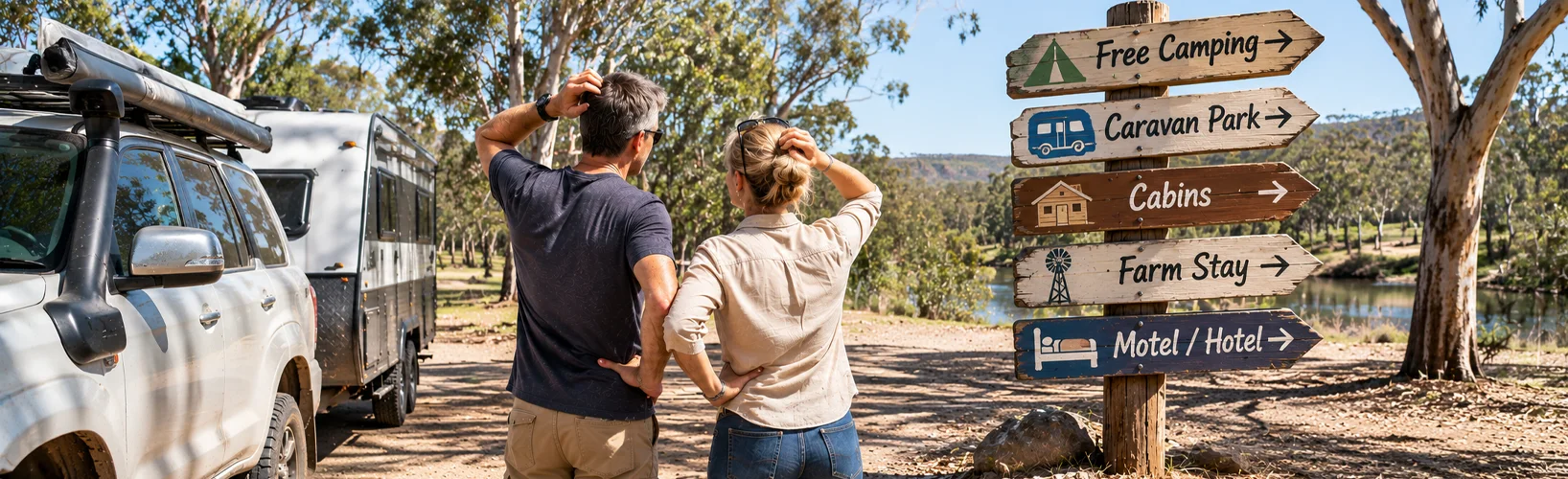
Accommodation is another important part of planning your journey!
One of the wonderful things about travelling Australia is the variety of places available to stay.
Perhaps you love free camping beside a river or enjoying the peace of a remote bush camp. Maybe you prefer caravan parks with powered sites, showers, laundry facilities and somewhere to meet fellow travellers.
There are also showgrounds, station stays, farm stays, national park campgrounds, low-cost community camps and the occasional motel or cabin when you feel like a little extra comfort.
Your preferred accommodation style will influence your route, your daily routine and your budget.
You'll also need to consider the facilities your travelling setup requires.
Do you need access to power? How long can you comfortably stay without refilling your water tanks? Do you need regular access to toilets, showers or dump points? Will mobile coverage be important for work or keeping in touch with family?
And remember, free camping doesn't mean you can simply park anywhere. Camping restrictions and permitted overnight stays vary between locations, so it's important to check the local rules.
A little research can help you find the right balance between adventure, comfort and cost.
Travelling with children? There's a little more to consider!

Travelling with children of any ages comes with challenges that need to be factored into your plans.
For families, the Big Lap can be an incredible opportunity to spend time together, discover new places and give children experiences they'll remember for years.
But travelling with children brings its own considerations.
If you're travelling with school-aged children, you'll need to investigate appropriate education arrangements before leaving. Depending on your home state, your circumstances and the length of your journey, this might involve distance education, registered home education or arrangements with your existing school.
Travelling during school holidays also requires some forward planning, particularly if you intend to visit popular coastal destinations or family-friendly caravan parks.
Then there's the pace of travel.
Children may not share your enthusiasm for spending several hours driving to see another spectacular gorge or lookout!
Allowing time for playgrounds, swimming, bike rides, relaxing days and simply being kids can make the experience more enjoyable for everyone.
You'll also need to think about sleeping arrangements, storage, food, suitable activities and access to medical services.
The good news is that Australia's towns, natural attractions and regional communities can provide wonderful opportunities for learning and adventure.
And what about your four-legged travelling companions?
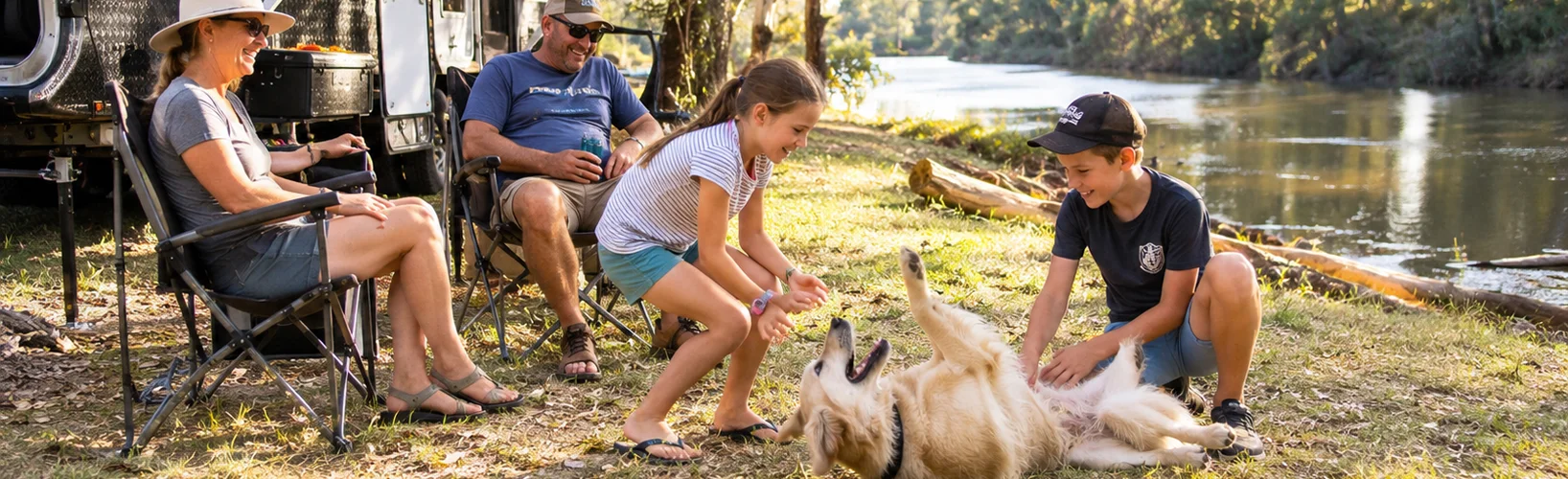
If your dog or other pet is coming along for the adventure, your planning will need to include their needs as well.
One of the biggest considerations is where pets are permitted.
Many Australian national parks and conservation reserves don't allow domestic pets, while others have designated areas or specific conditions. Some caravan parks and campgrounds are pet-friendly, but others may have restrictions or require advance approval.
This means that travelling with a pet can influence which destinations you visit and where you stay.
Perhaps you've dreamed of exploring a particular national park, only to discover your furry companion can't accompany you. You may need to arrange pet sitting, find suitable alternative activities or adjust your itinerary.
And what happens when you and the family want to head off on a walking trail, boat cruise or guided tour that doesn't allow pets? Think about who will care for your pet while you're away, rather than assuming you can leave them in the car or caravan. A parked vehicle can become dangerously hot very quickly, and caravans can also overheat; some accommodation providers don't allow pets to be left unattended either. Research local pet sitters or boarding options, take turns enjoying attractions, or plan pet-friendly alternatives. If you'll need pet care along the way, allow for that expense in your budget too.
It's also worth considering how your pet will cope with long driving days, unfamiliar environments and extreme temperatures.
Access to drinking water, shade, exercise areas and veterinary services is important, particularly in remote regions.
Before leaving, ensure vaccinations, identification and any necessary parasite protection are up to date.
And don't forget to allow for veterinary expenses, pet-friendly accommodation fees and the occasional unexpected medical bill.
They're part of the family, after all, and their comfort and safety should be part of the plan.
Make a list of your must-see destinations
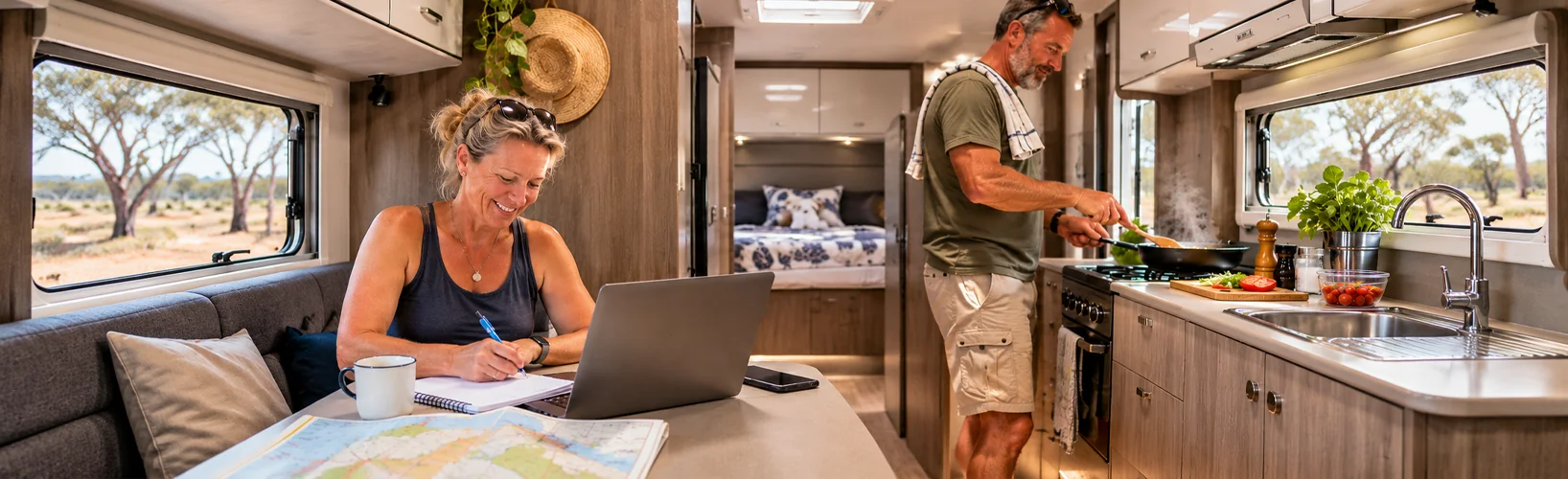
Planning where you want to go can be a lot of fun - But you don't need to plan every stop!
Here's where the planning gets really exciting!
Think about the places and experiences that inspired you to do the Big Lap in the first place.
Perhaps it's watching the sun set over Uluru, snorkelling along the Ningaloo Coast, exploring the Kimberley, driving the Great Ocean Road or discovering Tasmania's beautiful wilderness.
Start by identifying your absolute must-see destinations.
Then research the best time to visit each one and roughly how long you'd like to stay.
Some experiences are seasonal, while others may need to be booked well in advance.
If Tasmania is on your itinerary, for example, you'll need to consider ferry availability, vehicle dimensions, travel dates and the cost of taking your caravan or motorhome across Bass Strait.
Popular tours, national park campgrounds and caravan parks can also book out during peak periods.
It's worth making reservations for those experiences you definitely don't want to miss, while leaving some flexibility between them.
And remember that certain locations, including some Aboriginal lands and remote areas, may require permits or have specific access conditions.
Doing your research early can save disappointment later.
Don't underestimate remote-area travel
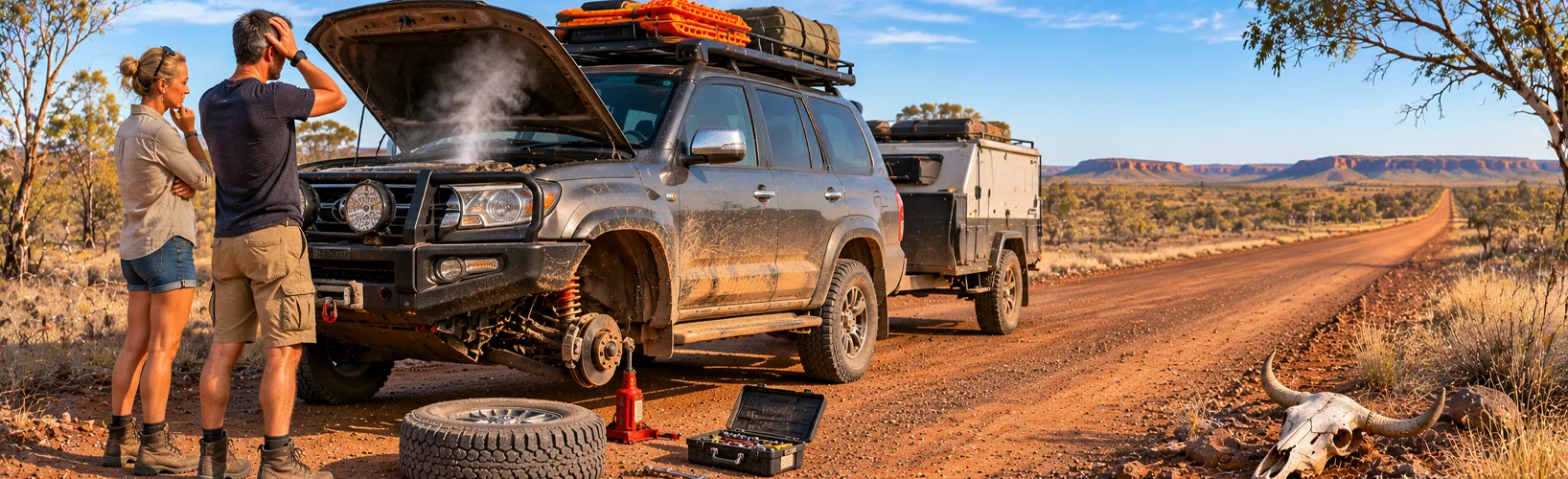
One of the great attractions of a Big Lap is the opportunity to explore Australia's remote and less-travelled regions.
Travelling through remote Australia requires additional preparation.
Distances between fuel stops, accommodation and essential services can be substantial. Mobile phone reception may be unreliable or unavailable, and road conditions can change quickly.
Before heading into remote areas, check current road conditions and weather forecasts, know where you can obtain fuel and drinking water, and make sure your vehicle is suitable for the journey.
Carry appropriate emergency supplies, first aid equipment, navigation information and a reliable means of communication for areas without mobile coverage.
Offline maps can be particularly useful, but they don't replace checking official road reports.
It's also wise to let someone know your intended route and when you expect to arrive.
Plan sensible driving distances, allow for rest breaks and avoid unnecessary night driving in areas where wildlife and livestock may be present on the roads.
An adventurous detour is wonderful. Getting stranded because you didn't plan for the conditions is a different matter!
What about the life you're leaving behind?

While it's exciting to focus on the places you're going, it's also important to think about what you're leaving at home.
You need to ask yourself a few questions, will you be keeping your house, renting it out or making other arrangements while you're away?
Who will collect the mail, maintain the garden or keep an eye on the property?
Consider your mortgage or rent, council rates, insurance, utilities, subscriptions and other commitments that may continue during your travels.
If your home will be unoccupied for an extended period, check whether your insurance policy has specific requirements.
You'll also want to review any ongoing medical needs, prescriptions, financial arrangements and important documents before setting off.
And if you plan to work while travelling, think about internet access, expected income and whether your itinerary allows enough time to meet your work commitments.
These might not be the most exciting parts of planning a Big Lap, but having everything organised before you leave can make life on the road much more relaxing.
Now, how does all this affect your budget?
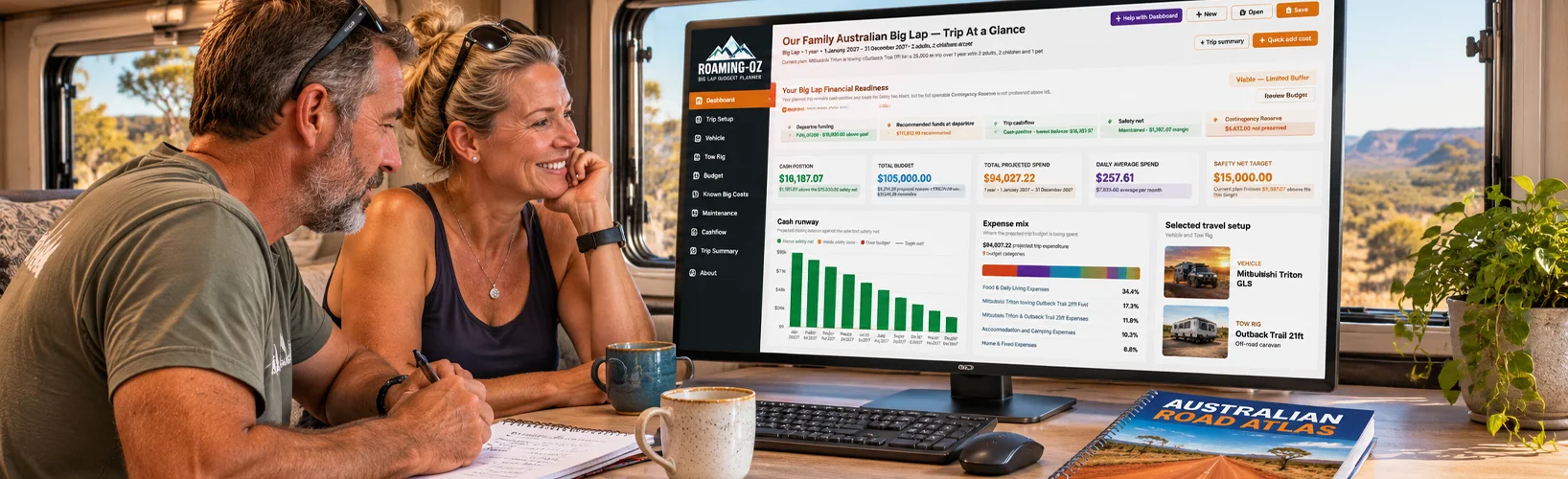
There is just so much to think about when planning your Big Lap - Whether it is your first lap or the 4th lap
By this stage, you might be thinking that planning the Big Lap involves quite a few decisions!
And you'd be right.
But there's a good reason for working through them before you leave home.
Every decision you make about your adventure can influence how much it will cost.
Your departure date, total travelling time and intended distance affect your fuel and other running expenses.
Your vehicle and towing setup influence fuel consumption, servicing and maintenance.
Your preferred accommodation style affects what you'll spend on overnight stays.
Children, pets, remote destinations, special experiences and ongoing household expenses all contribute to your overall financial picture.
And as we've discussed in our previous articles, the amount you spend can vary considerably from one month to the next.
This is where the Roaming-Oz Big Lap Budget Planner can become a valuable part of your preparation.
Once you've developed a general idea of your route and travel style, you can use the Planner to turn those decisions into a personalised financial plan.
Enter your intended departure and return dates, estimated travelling distance, vehicle and towing arrangements, and the number of adults, children and pets travelling with you.
You can then build your budget around your expected fuel consumption, accommodation choices, everyday expenses, vehicle maintenance, major costs and ongoing financial commitments.
If remote touring is part of your adventure, you can make allowances for the additional costs that may be involved.
And because the Planner provides projected weekly or monthly cashflow, you can see how your estimated expenses and available funds might change throughout the journey.
You can even nominate a financial safety net and explore how changes to your plans might affect your overall budget.
The Planner won't choose your route or predict the weather for you, but it can help you understand the financial impact of the decisions you've made.
Want to see how it works? Our Getting Started & Trip Setup guide explains how to begin building a personalised trip plan.
You can also explore our Vehicle, Towing & Remote Touring guide to see how different travelling setups and conditions can influence your budget.
Make a plan, but leave room for adventure!
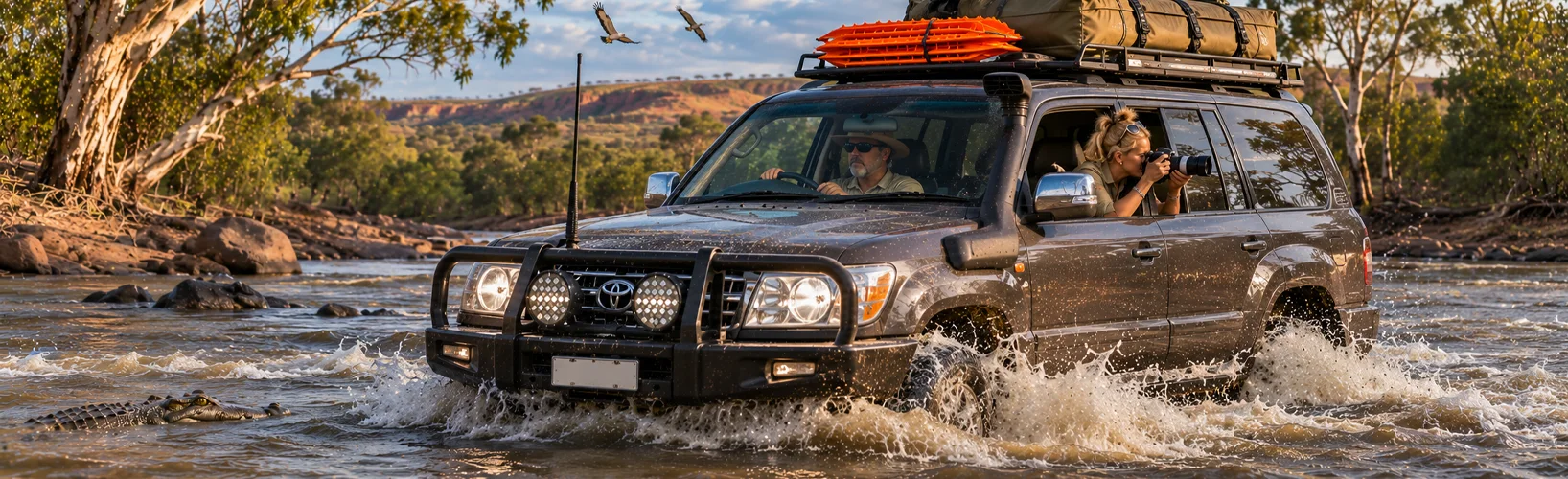
Perhaps the most important thing to remember is that your Big Lap doesn't need to be planned down to the last kilometre.
In fact, some of the most memorable experiences can come from the places you never intended to visit!
You might discover a beautiful little country town and decide to stay an extra night. Someone at a campground might recommend a spectacular waterfall you've never heard of, or you might simply find a lovely spot beside the ocean and decide there's no reason to rush.
That's part of the magic of travelling Australia.
A good plan gives you a direction, an understanding of the seasons, realistic travelling expectations and a budget that supports the journey.
It doesn't need to take away your freedom to explore.
Your Big Lap should be your adventure, enjoyed at your pace, in your way.
So pull out the maps, start marking those must-see destinations, talk about the experiences you're looking forward to and begin imagining where the road might take you.
The more you understand about your journey before you leave, the more confident you'll feel when the day finally arrives to turn the key and head off.
And what an exciting day that will be!
Ready to turn your travel plans into a budget?
Once you've decided where you might go, how long you'll be away and how you want to travel, it's time to put some figures against the adventure.
Explore the Roaming-Oz Big Lap Budget Planner and discover how you can build a financial plan around your own travelling style, destinations and circumstances.
Explore the Big Lap Budget Planner »
Plan the journey. Understand the costs. Enjoy the adventure!