

Coolah Tops National Park is one of those places that makes you stop and ask, how is this only five hours from Western Sydney? Sitting high on a basalt plateau, the park is packed with cool-climate forests, giant grass trees, big sandstone views and an impressive mix of huts, waterfalls, walks and campsites. It feels remote once you’re in, but most of the highlights are surprisingly easy to reach.
We visited over the January long weekend and while daytime temperatures were hot, the overnight lows sat around a very comfortable 15°C, making camping ideal once the sun dropped. Just be aware that parts of the park close over winter, so seasonal access is something you need to factor in when planning your visit. Additionally, very few people were camping in the park, a couple of caravans, some other 4WDers and the odd car / tent camper. A few day trippers were in the park over the long weekend, but, it was pretty quiet really.
Where it is and how to get there
Coolah Tops National Park is roughly 5 hours’ drive from Penrith in Western Sydney. The town of Coolah is your last reliable stop for fuel, food and supplies, so make sure you stock up before heading out. Once you leave town, services are limited and mobile reception can be patchy in parts of the park.
Road access – what it was like for us
Most of the main access roads around the park are suitable for 2WD vehicles in dry conditions, but road surfaces can change quickly after rain.
From our experience:
-
After turning off Coolah Creek Road onto State Forest Road, the initial climb through the hills is sealed and in excellent condition.
-
Once you reach the top, the road transitions back to unsealed dirt roads, with surface roughness varying depending on location and recent weather.
If you’re planning to head out to Talbragar Falls, the fire trail in that direction is 4WD only and should be treated accordingly, especially after rain.
Where we camped
We based ourselves for two nights at the Pines Campground, which worked perfectly as a central base for exploring the park without needing to pack up each day. At the time of filming, camping was free, with the exception of a small booking fee.
We also checked out:
-
Cox’s Creek Campground
-
the Barracks Campground
Both are good alternatives depending on which part of the park you want to focus on.
Camp cooking – keeping it simple
One of the things we really wanted to show on this trip was just how easy good camp food can be:
-
Night one: a half leg of lamb cooked in a camp oven, showing just how easy it is to produce a proper camp meal with minimal effort using a camp oven.
-
Night two: a quick, simple one-pot meal — fast to cook, minimal cleanup, and perfect after a full day exploring.
No fancy setup, no stress — just good food done properly.
Staying in a hut – Bracken’s hut tip
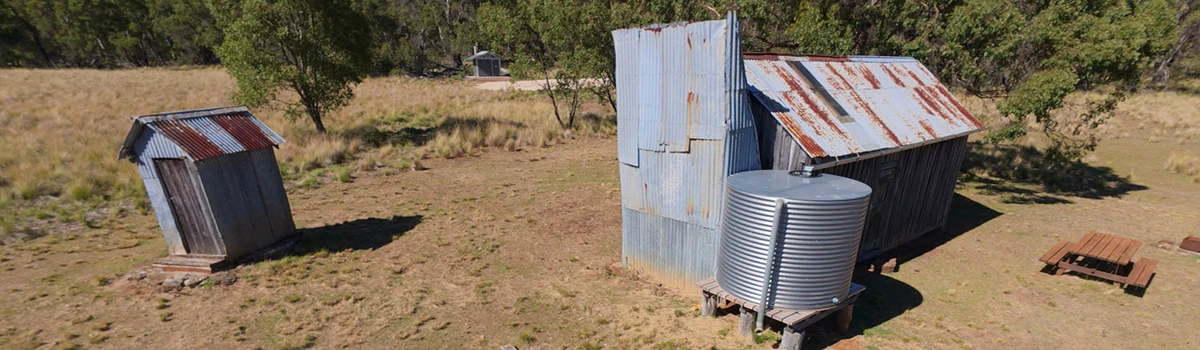
You can also book Bracken’s Hut if you prefer solid walls and a roof over your head. It’s a great option, but one important tip: bring a padlock. The hut can be locked from the outside while you’re away exploring, which is handy if you’re leaving gear behind during the day.
What we did – the highlights
The Huts
We visited three of the park’s classic huts:
-
Bracken’s Hut
-
Joe’s Hut
-
the Cattlemen’s Hut
They’re simple, atmospheric, and give you a real sense of the area’s grazing history.
The Lookouts
Each lookout offered something different, and all were well worth the effort:
-
Bundella Lookout
-
the Pinnacles
-
Breeza Lookout
The Pinnacles in particular is an easy walk with a big reward at the end.
The Waterfalls
We visited four waterfalls during the trip:
-
Norfolk Falls
-
Cox’s Creek Falls
-
Bald Hills Creek Falls
-
Talbragar Falls
Water flow will always depend on recent rainfall, but even in drier periods these spots are well worth a visit. Sadly, with how dry it had been, they were hardly flowing, but, Norfolk falls is worth visiting after good rain with a massive single drop.
The Walking Tracks
Two short walks stood out as absolute must-dos:
-
Grass Tree walking track – an easy stroll through some seriously impressive grass trees.
-
Snow Gum walking track – a short loop through old forest featuring massive snow gums.
Both walks are easy, well-defined and perfect for stretching the legs between drives.
Relics and the Cox’s Creek Sawmill ruins
One of the most unexpected highlights of the trip was the Cox’s Creek Sawmill Ruins. The site itself is fascinating, but the real standout is the enormous boiler — easily one of the biggest we’ve ever seen and a powerful reminder of the scale of industry that once operated up here. It is a pity National Parks do not have an information sign here to tell you more about the site. The sawmill operated between the 1940's and mid 1990's when it shut down as the state forest was changed over to a National Park in 1995.
Things to know before you go
-
Camping and huts require bookings, even when camping itself is free
-
No drinking water is provided in the park — bring everything you need
-
Road and area closures are common after rain and during winter
-
2WD access is fine in dry weather, but Talbragar Falls requires 4WD
-
Fuel up and buy supplies in Coolah before heading in
Our verdict
Coolah Tops National Park is an outstanding destination if you’re chasing a mix of easy-access highlights, relaxed camping, short walks, and the option to add a bit of rougher 4WD exploring if conditions allow. You don’t need weeks of planning or extreme gear to enjoy the best of it — just good preparation and a flexible plan.
If you’re planning a visit, this trip covers the best of what most people can realistically see and do — and it’s a brilliant place to slow down, explore, and enjoy a proper weekend away.
We met a couple of other YouTubers at the Pines campground, thanks for the chats. Checkout their channels here...
TRACKS WE EXPLORE: https://www.youtube.com/@TracksWeExplore
SCOTT ROY GBIV: https://www.youtube.com/@scottroygbiv
Want to support the channel? Buy US a coffee: https://buymeacoffee.com/roaming.oz.adventures
Video
Gallery